Origin and Cause Analysis for Residential Fires
Our forensic engineers investigate fire scenes to identify the origin, cause, and contributing factors with precision.
Overview
Understanding Residential Fire Investigations
We understand the building systems, consumer products, and lifestyle factors that contribute to residential fires. Our investigations provide the clear, defensible answers that insurers, attorneys, and homeowners need to move forward.
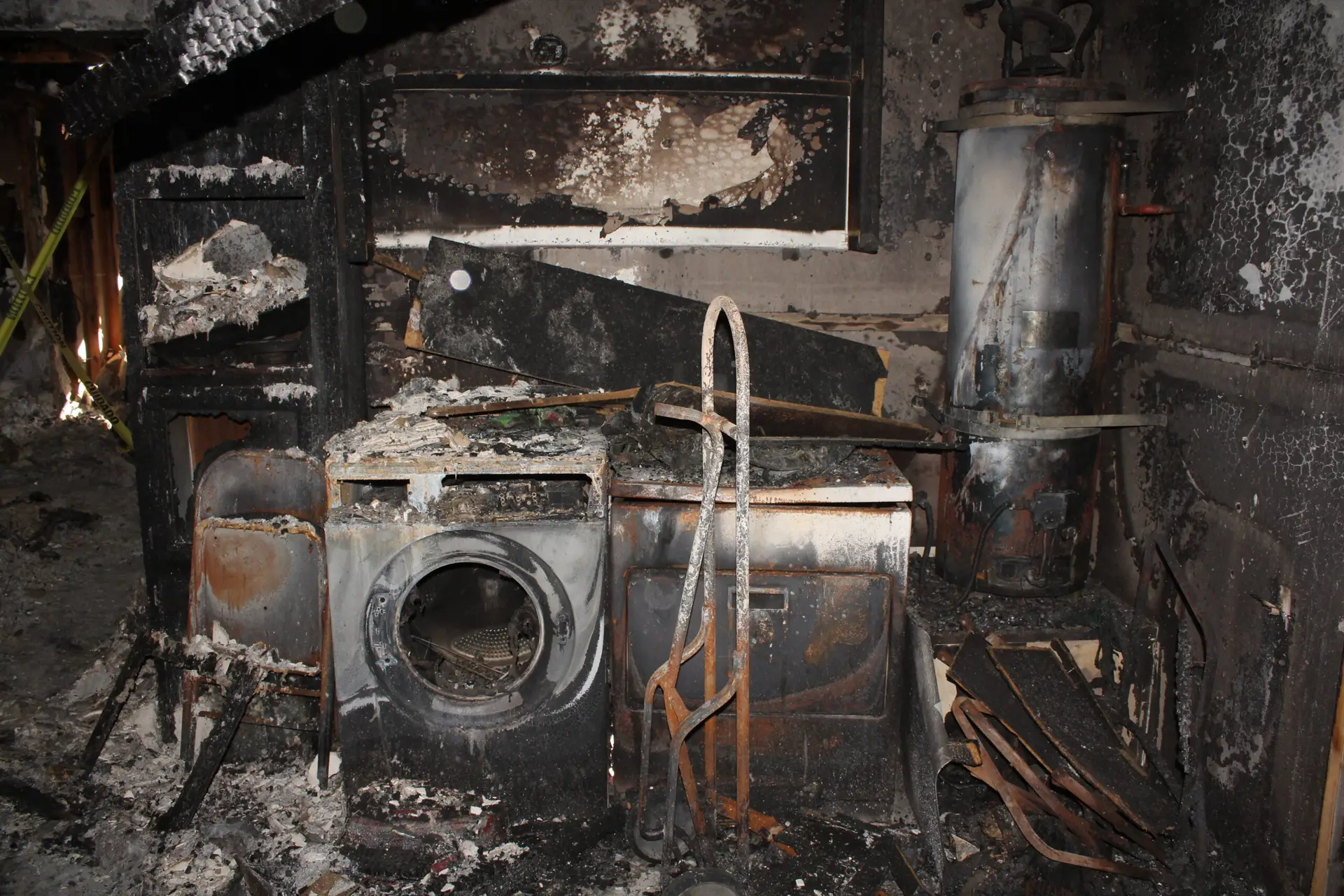
Fires in homes may originate from electrical systems, heating equipment, cooking activities, or other household sources. Our team uses fire science, burn pattern evaluation, and system inspection to deliver impartial, defensible conclusions.
Residential fires are the most common type of fire loss in the United States. Common causes include electrical system failures, cooking incidents, heating equipment malfunctions, and appliance defects. Our investigators have examined thousands of residential fire scenes.
What We Do
Electrical & Appliance Sources
We analyze circuits, devices, and installation conditions to identify if and how they contributed to ignition.
Origin & Cause Analysis
Using burn patterns, evidence collection, and scientific methodology, we provide defensible conclusions for claims and litigation.
Structural & Material Behavior
We study how construction materials and furnishings respond to heat and fire to assess fire progression.
Heating & Cooking Equipment
We investigate equipment condition, usage, and surrounding factors to determine their role in the fire.
Methodology
Our Process
Scene Examination
Conduct systematic scene examination following NFPA 921 methodology. Document fire patterns, ventilation effects, and structural damage.
Electrical System Evaluation
Examine the electrical service panel, branch circuits, receptacles, and connected devices. Arc mapping and conductor analysis help identify electrical involvement.
Appliance & Equipment Analysis
Inspect appliances, heating systems, and other equipment within the area of origin. Document operating condition, maintenance history, and recalls.
Origin & Cause Determination
Synthesize all evidence to determine the fire's point of origin and most probable cause. Classify the cause as accidental, natural, incendiary, or undetermined.
Report & Expert Support
Deliver detailed findings supported by photographs, diagrams, and analysis. Provide deposition and trial testimony as needed.
Industries & Clients
Who We Serve
Our residential fire investigations support the full range of parties involved in fire loss situations.
- Homeowners insurance carriers
- Homeowners and renters affected by fire
- Attorneys in subrogation or liability cases
- Product manufacturers facing fire-related claims
- Property managers of rental housing
- Public fire investigators seeking expert support
Our Strengths
Key Advantages
Choosing the right forensic engineering partner means working with a team that delivers not only technical expertise but also clear communication and reliable support. At ClearLine Forensics, we combine proven methods with a client-focused approach to provide trustworthy, defensible results.
Expert Guidance
Our engineers bring decades of experience to every investigation, ensuring accurate and reliable conclusions.
Thorough Reports
Clear, defensible reports tailored for insurance, legal, and technical audiences.
Detailed Analysis
Comprehensive on-site evaluations backed by proven forensic methodologies to get you the answers you need.
Solid Solutions
Actionable recommendations that help clients move forward with confidence. When you need the facts, we will help.
Reliable Expertise
Years of industry experience and knowledge across multiple disciplines, from structural failures to product analysis.
Client-Centric
We prioritize our clients by tailoring our services to meet unique needs and ensuring clear communication throughout.
Common Questions
FAQ
What is the most common cause of residential fires?
Cooking is the leading cause of residential fires nationally, followed by heating equipment, electrical distribution, and intentional fires. However, every fire is unique and requires individual investigation.
How long does a typical residential fire investigation take?
An initial site examination typically takes one day. The full investigation, including evidence analysis, research, and reporting, usually takes 4-8 weeks depending on complexity.
Can you investigate a fire after the scene has been cleaned up?
Scene examination is always preferable, but we can still provide value through review of fire department reports, photographs, witness statements, and recovered evidence even after cleanup.
What happens if you determine the fire was intentionally set?
If our investigation reveals evidence of an incendiary fire, we document our findings and notify our client. We do not conduct criminal investigations, but our findings may support law enforcement efforts.
Get in Touch for Origin & Cause
Our licensed engineers and certified fire investigators provide independent, defensible findings for legal, insurance, and corporate clients.